Tuesday, April 3, 2012

Monday, April 2, 2012
The third interview
Interview preparations
This is the 3rd and the last interview of ENG 191. Due to the experience of the first two interviews, I think the 3rd interview was the best. I invited Nicholas for three times but he was too busy. I was glad that he agreed to be my interviewee this time. We made an appointment with Nicholas in the class that we would have the interview on Wednesday afternoon. On that day, I made a phone call to Nicholas in the afternoon and we met at the library. When we wanted to order a study room, I was told the room is full. It’s my fault that I did not reserve a room. We went to the corner on the first floor. I took out my phone used as recorder and the notebook. Then we started our interview. Thanks for Nicholas again.
Interview report
The whole interview went very well. Since we sit next to each other in class, we already know a little about each other. Nicholas is a nice guy who is very patient and introvert. He is just a high school student. Due to his performance in high school, he earned the chance to study in university ahead of time. We talked a lot during the interview. I cherished the third interview because I could learn a lot from Nicholas about
Country report
“The United States of America
USA, country in North America, consisting of 48 contiguous states and the noncontiguous states of Alaska and Hawaii. The 48 states are between the Atlantic and Pacific oceans, south of Canada and north of Mexico. The country's total area is 9,629,047 sq km (3,717,796 sq mi). The capital is Washington, D.C.New York City is the largest city.[2]
USA, country in North America, consisting of 48 contiguous states and the noncontiguous states of Alaska and Hawaii. The 48 states are between the Atlantic and Pacific oceans, south of Canada and north of Mexico. The country's total area is 9,629,047 sq km (3,717,796 sq mi). The capital is Washington, D.C.New York City is the largest city.[2]
.svg.png)
.svg)
“The west front of the United States Capitol, which houses the United States Congress
The United States
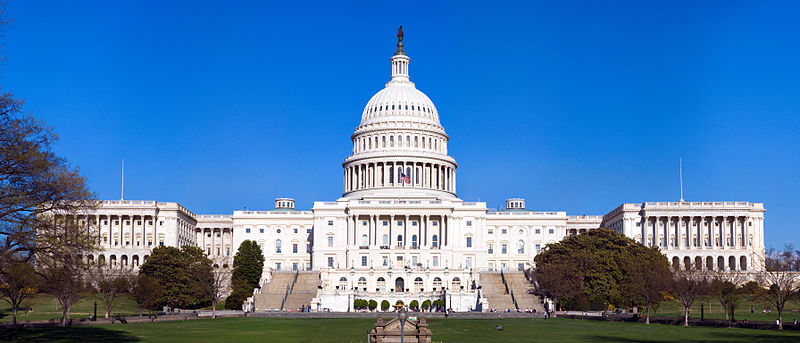

“The United States United States United States


“American public education is operated by state and local governments, regulated by the United States Department of Education through restrictions on federal grants. The United States 20 in the world.”[1]
“Mainstream American cuisine is similar to that in other Western countries. Wheat is the primary cereal grain. Traditional American cuisine uses indigenous ingredients, such as turkey, venison, potatoes, sweet potatoes, corn, squash, and maple syrup, which were consumed by Native Americans and early European settlers. Slow-cooked pork and beef barbecue, crab cakes, potato chips, and chocolate chip cookies are distinctively American foods.”[1]

“Baseball has been regarded as the national sport since the late 19th century, while American football is now by several measures the most popular spectator sport. Basketball and ice hockey are the country's next two leading professional team sports.”[1]


Transcription
Yi: Let’s get started. Thanks for being my interviewee. Where are you from, Nicholas?
N: I was born in United States , Minnesota
Yi: How to spell the city?
N: C-o-o-n –r-a-p-i-d-s. It’s kind of in the south of Minnesota
Yi: So you are living on campus now?
N: Yep.
Yi: What kind of government is in charge of your home country, how did it affect your life and how has democracy in America
N: Do you know democracy in America
Yi: I know something about it.
N: Ok. Well, Every American has right to select president. Democracy is about freedom and choice I think.
Yi: Did you vote for president two months ago?
N: Yes, we vote for president every four years.
Yi: At which age can you have right to vote?
N: You should be 18.
Yi: Ok. Can you describe a typical day for a child in your country?
N: Well. I will talk about a typical day for a six or seven child I think. They wake up about 8 a .m.. They usually eat breakfast with their parents and then they go to school. Most students take school bus to go to school. Parents can also drive them to school if they want to. Then they go for a day in school. Kindergarten doesn’t have much academic. Then they go back home and have several hours left to do other things. Usually, they don’t have much homework to do.
Yi: When do you start school and finish class.
N: When you are pretty young, school usually starts at 8 a .m. and ends at 4p.m..
Yi: Are a Christian?
N: Yes.
Yi: So, usually you celebrate Christmas?
N: Yes. We have several holidays. The main one is Christmas. We give presents. Now the main focus is the gift giving. We also celebrate Easter.
Yi: The gifts are just given from parents to children?
N: No. We give gifts to parents, friends, relatives and a lot of people. Depends how much you like them.
Yi: Do you have any daily rituals in regards to your religious beliefs?
N: Yes, I pray every day.
Yi: Do you read Bible every day?
N: You don’t need to read Bible every day. I probably read once a week, not every day. You don’t really have to.
Yi: Do you go to church every Sunday?
N: Yes, every Sunday.
Yi: What are the typical greetings in your culture and what do they mean?
N: Typical greetings are usually shaking hands. Kiss is a wired greeting. I don’t really see people doing here.
Yi: Do you hug with people?
N: Not usually.
Yi: What different modes of transportation are used in USA
N: The most common mode transportation is car. That’s for sure. The next one, it’s hard to say, probably bike. It’s a popular one.
Yi: Which country`s food do you like the most?
N: It’s a tough one. I think Chinese food, probably because I really like spicy food. It tastes really good. Once I took Indian food, it’s really really spicy. I think Chinese food has a good balance of spicy.
Yi: Do you like American food?
N: I guess I kind of like American food but Chinese food is better. Even if I like burgers, if I take burgers every day, it doesn’t taste good. You know what I mean?
Yi: Yes. Besides burgers and fast food, what other kinds of American food do you usually have?
N: Beside burgers and fast food, we have a lot of things we can cook at home like cheese, hot dogs.
Yi: Does your family usually cook at home?
N: Yes, my family definitely eat at home more often than. Fast food is not good for you. A lot of people know that and it cost much.
Yi: How would you describe famous sports in USA
N: I think most famous sport is football.
Yi: And basketball?
N: Yes, basketball is also popular. Do you know super bowl?
Yi: Yes.
N: Yes, millions and millions of people watch super bowl that night. Basketball is the second. Another one could be baseball.
Yi: What’s your favorite sport?
N: Umm. It’s a tough one. I think it’s football.
Yi: Do you watch football.
N: Yes, I am a big fan.
Yi: At what age do you start school?
N: It kind of depends on person. Children usually start school at 6 or 7. We have pre-school for 3 and 4. You don’t need to go. For example, I skip the pre-school.
Yi: Do you have any requirement that you must go school at which age?
N: No, nothing like that.
Yi: What could SCSU do to make your stay on campus better?
N: I live in my house and I just drive here when I have class. I think one thing could change may be the parking fees because they don’t really need this money to pay anything. It’s better free for parking.
Yi: Does every teenager have to go to work when they are 16?
N: They don’t have to. Some parents want their children to have a job and get money but you don’t have to. For example, I am 16 and I don’t have a job.
Yi: So, that’s it. Thank you so much.
N: No problem.
Yi: Do you go home right now.
N: I just go to restaurant and have dinner on campus.
Yi: Sure, Let’s go together.
Tuesday, March 27, 2012
Comparison of the First interview and the Second
By now, I have already done two interviews. Since I did not do such kind of interview, I felt a little nervous for the first interview. Obviously, I felt much better for the second interview. This time, I prepared well and felt relaxed during the conversation. For the second interview, I invited my Japanese friend, Keita, to be my interviewee. We often play basketball together and we are neighbors living in Lawrence Hall, so I did not feel nervous at all. The interview went through smoothly.
This time, I almost did the same as the first interview. I just changed the place. Since, we both live in Lawrence Hall, we had our interview in the lounge.
The two interviewees are from different countries. Janvier is from Rwanda and Keita is from Japan.
Keita’s English is not as good as Janvier. Sometimes, I need to guess what he meant. By some body language, I could almost understand him.
I used the same questions and the same recorder.
I learned a lot from the first interview. Africa is kind of mysterious to me. I knew little about Africa before. Thanks to Janvier, I knew something about the education, food, daily life, military and so on. Since Chinese and Japan are close to each other and the two countries have many similarities, I had known something about Japan before. What Keita said still increased my knowledge.
I spent about 1 hour to transcribe the recorded audio portion and I spent much time to complete the whole interview report, so I am satisfied with my second interview. Some classmates also did perfectly.
I will prepare well to complete the third interview better.
This time, I almost did the same as the first interview. I just changed the place. Since, we both live in Lawrence Hall, we had our interview in the lounge.
The two interviewees are from different countries. Janvier is from Rwanda and Keita is from Japan.
Keita’s English is not as good as Janvier. Sometimes, I need to guess what he meant. By some body language, I could almost understand him.
I used the same questions and the same recorder.
I learned a lot from the first interview. Africa is kind of mysterious to me. I knew little about Africa before. Thanks to Janvier, I knew something about the education, food, daily life, military and so on. Since Chinese and Japan are close to each other and the two countries have many similarities, I had known something about Japan before. What Keita said still increased my knowledge.
I spent about 1 hour to transcribe the recorded audio portion and I spent much time to complete the whole interview report, so I am satisfied with my second interview. Some classmates also did perfectly.
I will prepare well to complete the third interview better.
Monday, March 26, 2012
Similarities and Differences between countries
Similarities and Differences between countries
Yi Gu- Rwanda
Mengyao Ding- Burundi
Mengyao Ding- Burundi
Introduction of Africa
Africa is a very mysterious continent, that a place hidden beneath the dense rainforest. Africa is the world's second-largest and second-most-populous continent, after Asia. Africa has abundant natural resources; also African art and architecture reflect the diversity of African cultures. By most estimates, well over a thousand languages are spoken in Africa. Map showing the distribution of the various language families of Africa.
As the religion, forty five per cent (45%) of Africans are Christian, 40% are Muslim and 15% practice indigenous or local religions. The African religions are usually monotheist and many originate from or are mixed with Christian practices. Most Africans marry within their own ethnic groups. There are 56 countries in Africa; we have 2 classmates Janvier from Rwanda and Ariane from Burundi. Next, my partner will introduce the similar and different between these two countries for you.

http://us-africa.tripod.com/intro.html
Similarities
- They are both very small countries in Africa.
- Population density( Rewanda is the highest and Burundi is the second highest in Afirca)
- Burundi is in Eastern Africa bordered by Rwanda to the north.
- Similar economy, history, language and food.
- Most people in the two countries are Christian.
- Education system is similar.
- They have the same ways of greeting.
Differences
· They represent two very different models of ethnic conflicts.

http://www.worldatlas.com/webimage/countrys/africa/rw.htm
My second interview
Interview preparation
This time I was in a hurry. Last week I was so busy so that I almost fogort the second interview. So it was a little late to look for interviewee. I sent e-mails to several classmates but I did not get any reply. So I asked Keita who is my neighbour living in Lawrence Hall whether he was willing to be my interviewee. He agreed with no hesitation.Keita is my friend from Japan. We are both freshman. We often play basketball together. He's a nice guy. We went to the activity room in the lawrence hall to have the interview. I brought the laptop and the cell phone used as recorder. Thanks for him again.
Interview report
Japan is an island nation in East Asia.
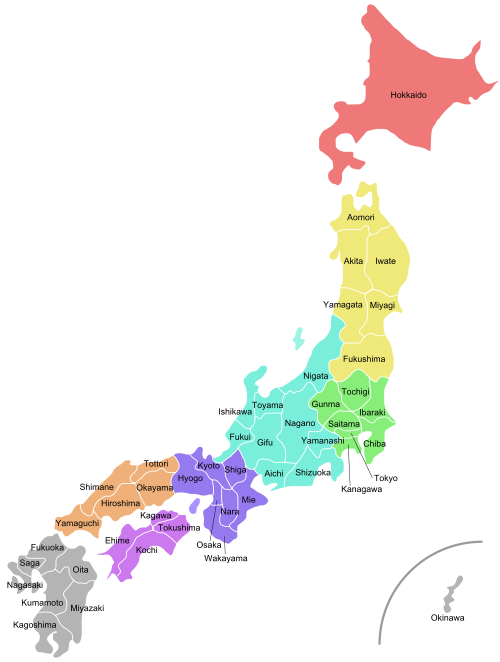
Japan has four major islands, they are Honshū, Hokkaidō, Kyūshū and Shikoku, also "Japan has the world's tenth-largest population, with over 127 million people. The Greater Tokyo Area, which includes the de facto capital city of Tokyo and several surrounding prefectures, is the largest metropolitan area in the world, with over 30 million residents.


Transcript
Yi: Let’s get started.Thanks for being my interviewee. Where are you from, Keita?
Keita:Japan.
Yi: Which city?
Keita:Akita.
Yi: How to spell it?
Keita:A-k-i-t-a. It's in the north if Japan.
Yi: What kind of government is in charge of your home country?
Keita:Uhm.
Yi: Public?
Keita: Uhm...
Yi: If you don't know. We can just skip this question.
Keita:Oh. I am not sure. Skip it. I'm sorry.
Yi: That's Ok. Never mind. The next question is Can you describe a typical day for a child in your country?
Keita:Like school kids?
Yi: Yes.
Keita: Children in primary school go to school at 8,9 in the morning.
Yi: 9? It's a little late.
Keita: Then spend about 12 hours in the school.
Yi: 12 hours? How could that be? You go home at 8?
Keita:Not 8. It's about 4.
Yi: So you spent 8 hours in school every day?
Keita:Um..Yes, that's sorry. My bad. Sorry.
Yi: It's Ok. Then?
Keita:I used to play with friends after school to 6,7 p.m. I went home, had dinner and went to sleep.
Yi: Students in Japan do not have much homework?
Keita: No, they don't. They don't have much homework. But in high school, they do.
Yi: What religious holidays or other cultural events do you or others celebrate; can you explain your traditions for each?
Keita: Um...
Yi: What's the religion in Japan?
Keita: I am not sure. We don't have main religion. People may say Japanese are Buddhists.
Yi: Which holiday do Japanese usually celebrate?
Keita: We celebrate like... Um?
Yi: Tranditional holidays?
Keita:Yep. We have one called The Day of Sea but we don't do anything
Yi: In memory of what?
Keita: Nothing. It's a holiday but we don't serve anything.
Yi: There's no meaning of the holiday? That's strange.
Keita: There may be some meanings but I don't know.
Yi: What about the other holidays?
Keita: I don't know what it is called in English. It's the day that Japan became a country.
Yi: So is it the national day?
Keita:Yes, kind of.
Yi: Next one is Do you have any daily rituals in regards to your religious beliefs?
Keita: Since I don't have religion, I don't have any daily rituals.
Yi:Oh, yes. I forgot it. And What are the typical greetings in your culture and what do they mean?
Keita: We just bow. We also say hello and say "*******" which means thank you for your hardworking.
Yi: How to say hello in Japanese?
Keita: Hello is "********"
Yi:What different modes of transportation are used in your country?
Keita:I think it's train.
Yi: In Japan, you can see train everywhere?
Keita:Yes. Especially in Tokyo.
Yi:Which country`s food do you like the most? Japanese food?
Keita: Yes, absolutly.
Yi: What's the second one?
Keita: Chinese food. It's really good.
Yi:What are the similarities and differences between it and your own culture`s food?
Keita: The difference between Chinese food and Japanese food is how spicy they are.
Yi: Ha. You don't get used to spicy food?
Keita: I really like spicy food.
Yi: Do you have sushi every day in Japan?
Keita:No. It's the special dinner.
Yi: So what do you have in daily life?
Keita: Like curry, Chinese food.
Yi:Like a bowl life rice and some dishes?
Keita:Yes.
Yi:Ok. How would you describe famous sports in your country? Baseball?
Keita: Yes, baseball is the most famous sport in Japan. Every night, you can watch baseball game on TV. Baseball has the most population of players.
Yi: What about the others? Soccer? Basketball?
Keita: Soccer is famous but basketball is not. Basketball is getting better and better.
Yi:It's your favourite sport,is it?
Keita: Exactly.
Yi: Are you the tallest in your school in Japan.
Keita: No.
Yi:Which position you play?
Keita: Center.
Yi: Cool. At what age do you start school?
Keita: 6.
Yi: Are you under a lot of stress in school?
Keita:I don't think so.
Yi: What could SCSU do to make your stay on campus better?
Keita: Make the garvey's food better.That's the most important.
Yi: You don't like garvey food?
Keita: Who likes it?
Yi: Your American friends do not like it, also?
Keita: They don't like too.
Yi: Do you make Japanese food by yourself here?
Keita: Sometimes.
Yi: Have you been to some Japanese resraurant here?
Keita: I have been to one in Minneapolis. It's a sushi buffet and it's really good.
Yi: Is it traditionell?
Keita: Yes. You can have as many as you can.
Yi: Sounds good.
Yi: That's it. Thanks so much for coming.
Keita: You are welcome.
This time I was in a hurry. Last week I was so busy so that I almost fogort the second interview. So it was a little late to look for interviewee. I sent e-mails to several classmates but I did not get any reply. So I asked Keita who is my neighbour living in Lawrence Hall whether he was willing to be my interviewee. He agreed with no hesitation.Keita is my friend from Japan. We are both freshman. We often play basketball together. He's a nice guy. We went to the activity room in the lawrence hall to have the interview. I brought the laptop and the cell phone used as recorder. Thanks for him again.
Interview report
The whole interview went very well. Since Keita and I are neighbours in lawrence hall, our conversation was just like a normal chat. We talked a lot about Japan . There is a gap between China and Japan due to the history. I think it's a nice thing to interview a Japanese. After the interview, I knew a lot about Japan and the interview corrected some of my misunderstandings about Japan. I am so interested in Japanese culture. I like Japanese food very much. I may go to Africa for travelling if I have chance. Keita is a nice person. He answered each questions patiently. We stopped the interview in about 20 minutes because it was too late that night. It's time to go to sleep. It was a pity.
Country report
Japan is an island nation in East Asia.
Japan has four major islands, they are Honshū, Hokkaidō, Kyūshū and Shikoku, also "Japan has the world's tenth-largest population, with over 127 million people. The Greater Tokyo Area, which includes the de facto capital city of Tokyo and several surrounding prefectures, is the largest metropolitan area in the world, with over 30 million residents.

Japan is a major economic power in the world, after the second world war, Japan got very poor as a loser in the war. However, Japan's economic growth very fast from the 1960s to the 1980s has been called the Japanese post-war economic miracle. Japan developed fast because The Vietnam War and the Marshell plan. Also, Japan's auto-mobile industryl and electronic industry are very advanced. This is why Japan revive so quickily.


The climate Japan varies greatly from north to south. "Japan's geographical features divide it into six principal climatic zones: Hokkaidō, Sea of Japan, Central Highland, Seto Inland Sea, Pacific Ocean, and Ryūkyū Islands."


Japanese food is famous. The typical Japanese meal consists of a bowl of rice (gohan), a bowl of miso soup (miso shiru), pickled vegetables (tsukemono) and fish or meat. While rice is the staple food, several kinds of noodles (udon, soba and ramen) are cheap and very popular for light meals. As an island nation, the Japanese take great pride in their seafood. A wide variety of fish, squid, octopus, eel, and shellfish appear in all kinds of dishes from sushi to tempura.
 http://en.wikipedia.org/wiki/Japanese_cuisine
Education in Japan is also good. Primary schools, secondary schools and universities were introduced in 1872 as a result of the Meiji Restoration. Since 1947, compulsory education in Japan comprises elementry and middle school, which together last for nine years (from age 6 to age 15).
Source: http://en.wikipedia.org/wiki/Japan
Source: http://en.wikipedia.org/wiki/Japan
Transcript
Yi: Let’s get started.Thanks for being my interviewee. Where are you from, Keita?
Keita:Japan.
Yi: Which city?
Keita:Akita.
Yi: How to spell it?
Keita:A-k-i-t-a. It's in the north if Japan.
Yi: What kind of government is in charge of your home country?
Keita:Uhm.
Yi: Public?
Keita: Uhm...
Yi: If you don't know. We can just skip this question.
Keita:Oh. I am not sure. Skip it. I'm sorry.
Yi: That's Ok. Never mind. The next question is Can you describe a typical day for a child in your country?
Keita:Like school kids?
Yi: Yes.
Keita: Children in primary school go to school at 8,9 in the morning.
Yi: 9? It's a little late.
Keita: Then spend about 12 hours in the school.
Yi: 12 hours? How could that be? You go home at 8?
Keita:Not 8. It's about 4.
Yi: So you spent 8 hours in school every day?
Keita:Um..Yes, that's sorry. My bad. Sorry.
Yi: It's Ok. Then?
Keita:I used to play with friends after school to 6,7 p.m. I went home, had dinner and went to sleep.
Yi: Students in Japan do not have much homework?
Keita: No, they don't. They don't have much homework. But in high school, they do.
Yi: What religious holidays or other cultural events do you or others celebrate; can you explain your traditions for each?
Keita: Um...
Yi: What's the religion in Japan?
Keita: I am not sure. We don't have main religion. People may say Japanese are Buddhists.
Yi: Which holiday do Japanese usually celebrate?
Keita: We celebrate like... Um?
Yi: Tranditional holidays?
Keita:Yep. We have one called The Day of Sea but we don't do anything
Yi: In memory of what?
Keita: Nothing. It's a holiday but we don't serve anything.
Yi: There's no meaning of the holiday? That's strange.
Keita: There may be some meanings but I don't know.
Yi: What about the other holidays?
Keita: I don't know what it is called in English. It's the day that Japan became a country.
Yi: So is it the national day?
Keita:Yes, kind of.
Yi: Next one is Do you have any daily rituals in regards to your religious beliefs?
Keita: Since I don't have religion, I don't have any daily rituals.
Yi:Oh, yes. I forgot it. And What are the typical greetings in your culture and what do they mean?
Keita: We just bow. We also say hello and say "*******" which means thank you for your hardworking.
Yi: How to say hello in Japanese?
Keita: Hello is "********"
Yi:What different modes of transportation are used in your country?
Keita:I think it's train.
Yi: In Japan, you can see train everywhere?
Keita:Yes. Especially in Tokyo.
Yi:Which country`s food do you like the most? Japanese food?
Keita: Yes, absolutly.
Yi: What's the second one?
Keita: Chinese food. It's really good.
Yi:What are the similarities and differences between it and your own culture`s food?
Keita: The difference between Chinese food and Japanese food is how spicy they are.
Yi: Ha. You don't get used to spicy food?
Keita: I really like spicy food.
Yi: Do you have sushi every day in Japan?
Keita:No. It's the special dinner.
Yi: So what do you have in daily life?
Keita: Like curry, Chinese food.
Yi:Like a bowl life rice and some dishes?
Keita:Yes.
Yi:Ok. How would you describe famous sports in your country? Baseball?
Keita: Yes, baseball is the most famous sport in Japan. Every night, you can watch baseball game on TV. Baseball has the most population of players.
Yi: What about the others? Soccer? Basketball?
Keita: Soccer is famous but basketball is not. Basketball is getting better and better.
Yi:It's your favourite sport,is it?
Keita: Exactly.
Yi: Are you the tallest in your school in Japan.
Keita: No.
Yi:Which position you play?
Keita: Center.
Yi: Cool. At what age do you start school?
Keita: 6.
Yi: Are you under a lot of stress in school?
Keita:I don't think so.
Yi: What could SCSU do to make your stay on campus better?
Keita: Make the garvey's food better.That's the most important.
Yi: You don't like garvey food?
Keita: Who likes it?
Yi: Your American friends do not like it, also?
Keita: They don't like too.
Yi: Do you make Japanese food by yourself here?
Keita: Sometimes.
Yi: Have you been to some Japanese resraurant here?
Keita: I have been to one in Minneapolis. It's a sushi buffet and it's really good.
Yi: Is it traditionell?
Keita: Yes. You can have as many as you can.
Yi: Sounds good.
Yi: That's it. Thanks so much for coming.
Keita: You are welcome.
Subscribe to:
Posts (Atom)